5 Common Scrap Metal Myths Debunked by Industry Experts


Scrap Metal: Myths and Realities
Scrap metal recycling is an essential industry, contributing significantly to environmental conservation and resource management. However, several myths surround this field, leading to misconceptions. In this post, we'll debunk five common myths with insights from industry experts.
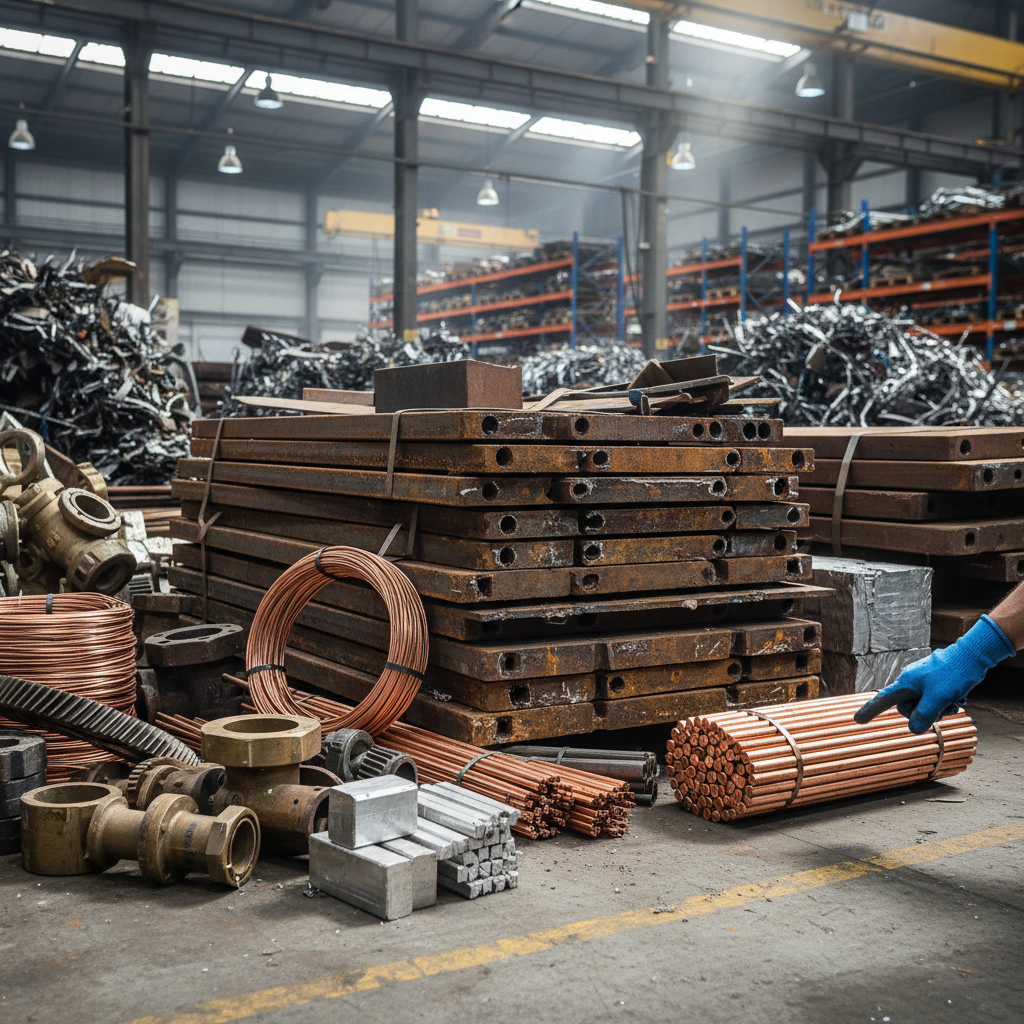
Myth 1: All Scrap Metal is the Same
One prevalent misconception is that all scrap metal is identical. In reality, scrap metal is categorized into two types: ferrous and non-ferrous. Ferrous metals contain iron, making them magnetic and prone to rust, while non-ferrous metals like aluminum, copper, and brass are more resistant to corrosion.
Understanding these differences is crucial for proper recycling and maximizing the value of your scrap. Experts emphasize the importance of sorting metals to ensure efficient processing and better returns.
Myth 2: Recycling Scrap Metal is Not Profitable
Another common myth is that recycling scrap metal isn’t financially rewarding. Contrary to this belief, scrap metal can be quite profitable. Prices fluctuate based on market demand, but there is always a market for high-quality scrap.
Industry experts recommend staying informed about market trends and working with reputable recyclers to get the best prices. Regularly recycling scrap metal can provide a steady income stream for businesses and individuals alike.
Myth 3: Scrap Metal Recycling is Harmful to the Environment
Many people believe that scrap metal recycling harms the environment. In truth, the opposite is true. Recycling scrap metal significantly reduces the need for mining, conserves natural resources, and minimizes energy consumption.
According to experts, recycling aluminum saves 95% of the energy required to produce new aluminum from raw materials. This energy efficiency translates into reduced greenhouse gas emissions and a smaller carbon footprint.

Myth 4: Only Large Quantities of Scrap Metal are Worth Recycling
Some assume that only large quantities of scrap metal are worth recycling. However, even small amounts can make a difference. Many recycling centers accept small loads and pay fair prices for them.
Experts suggest that individuals and small businesses regularly collect and recycle scrap to contribute to environmental efforts and earn extra cash. Every bit helps in the larger sustainability picture.
Myth 5: Scrap Metal Recycling is a Complex Process
Finally, there's a belief that scrap metal recycling is overly complicated. While it involves several steps, the process is straightforward with the right guidance. Most recycling centers offer support and resources to ensure smooth transactions.
Industry professionals highlight the importance of educating oneself about the types of metals and sorting procedures to streamline the recycling process. With proper knowledge, anyone can efficiently recycle scrap metal.
In conclusion, understanding the realities of scrap metal recycling can debunk common myths and encourage more people to participate in this beneficial industry. By doing so, we can contribute to a more sustainable future while potentially reaping financial rewards.