Common Misconceptions About Scrap Metal Recycling Debunked


Scrap metal recycling is an essential part of the global effort to conserve natural resources and reduce waste. However, several misconceptions persist about the process, which can deter individuals and businesses from participating. In this blog post, we'll debunk some of these common myths and shed light on the true benefits and processes of scrap metal recycling.
Misconception 1: Scrap Metal Recycling is Not Environmentally Friendly
One of the biggest myths is that scrap metal recycling causes more harm than good to the environment. In reality, recycling metal is significantly more energy-efficient than extracting and processing raw materials. Recycling reduces greenhouse gas emissions, conserves natural resources, and decreases the need for mining, which can be harmful to ecosystems.

Energy Savings and Environmental Impact
Recycling aluminum, for example, saves up to 95% of the energy required to produce the same amount from raw materials. This energy efficiency translates to a lower carbon footprint and less pollution. By choosing to recycle, you're actively contributing to a healthier planet.
Misconception 2: Scrap Metal Recycling is Not Economically Viable
Another misconception is that recycling scrap metal doesn't offer economic benefits. On the contrary, the scrap metal industry plays a vital role in the economy. The industry provides jobs, supports local businesses, and generates revenue through the sale of recycled materials.
Economic Contributions
The recycling industry creates employment opportunities in various sectors, from collection and transportation to processing and sales. Additionally, recycled metals are often sold at competitive prices, making them a cost-effective alternative for manufacturers.
Misconception 3: All Scrap Metals Are Recycled the Same Way
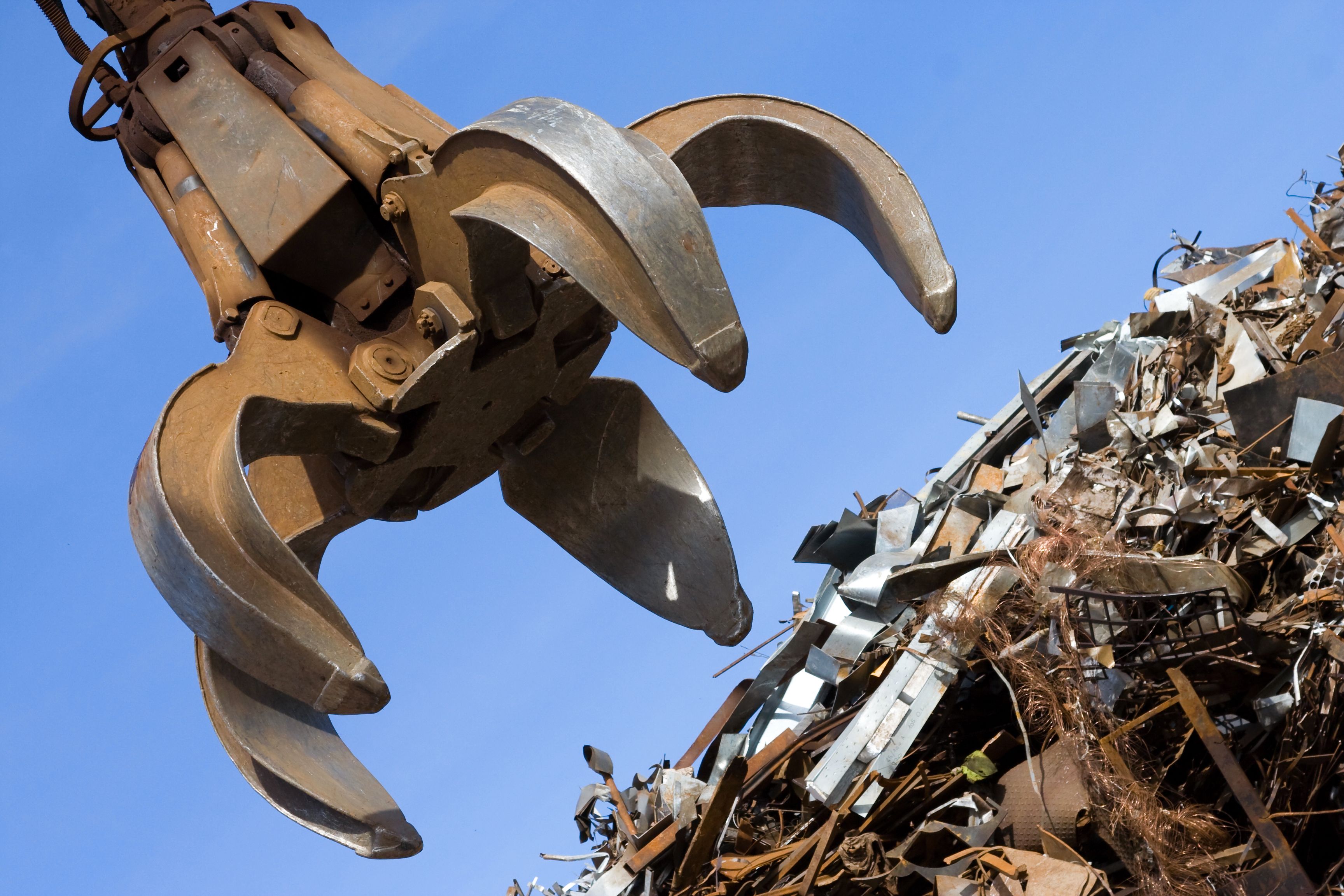
It's a common belief that all metals undergo the same recycling process. However, different metals require specific methods for processing. For instance, ferrous metals like steel are often separated using magnets, while non-ferrous metals, such as copper and aluminum, need different techniques.
Understanding the Process
Each type of metal has its unique properties and recycling needs. Understanding these differences helps ensure that metals are recycled efficiently and effectively, maximizing their value and reducing waste.
Misconception 4: Scrap Metal Recycling is Inconvenient
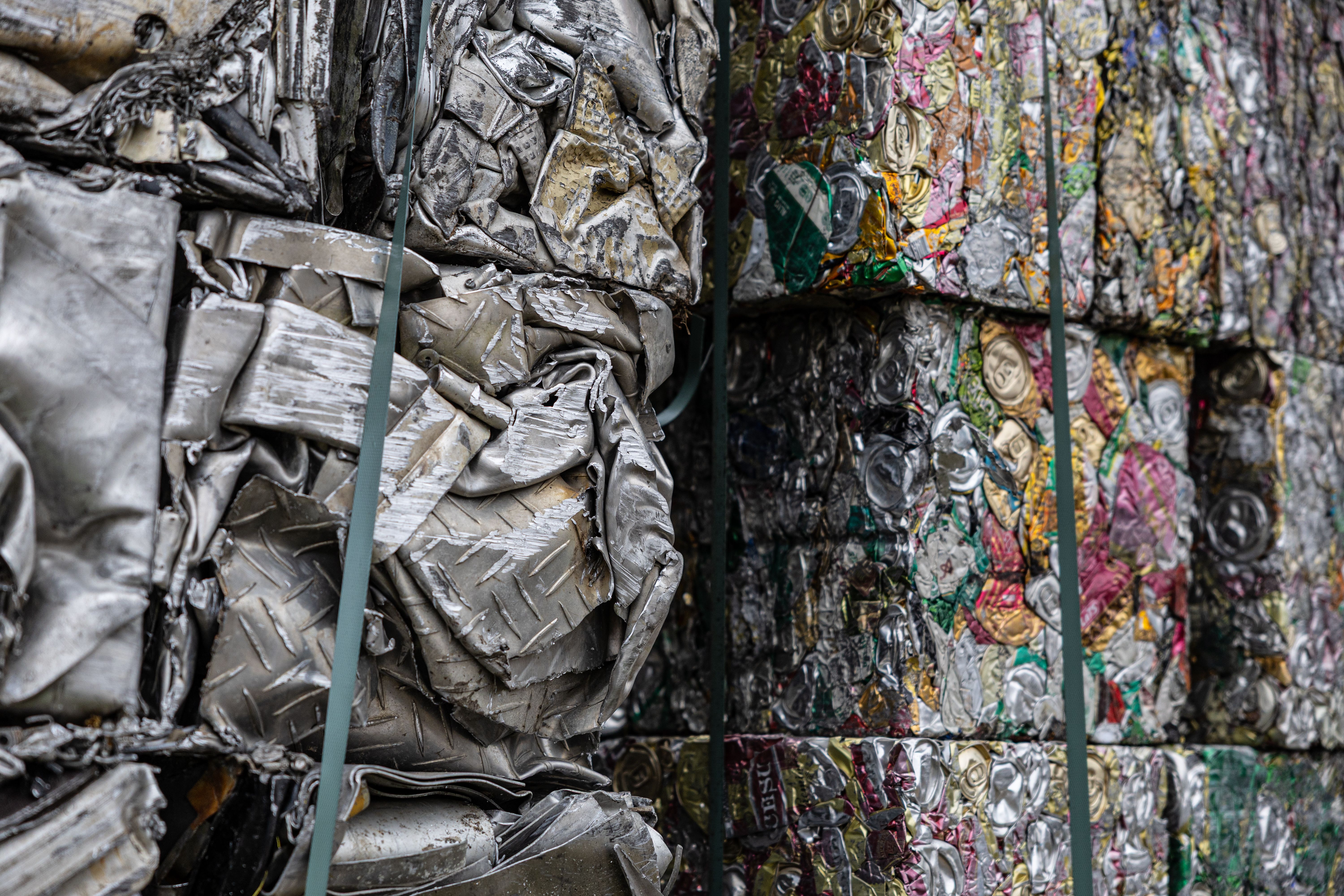
Many people assume that recycling scrap metal is a complicated and time-consuming process. However, with advancements in technology and infrastructure, it has become more convenient than ever. Numerous recycling centers and pickup services make it easy for individuals and businesses to recycle.
Convenient Options Available
Local recycling programs often offer easy drop-off points and pick-up services. Additionally, many communities have dedicated recycling centers that accept a wide range of metals, simplifying the process for everyone.
By debunking these misconceptions, we hope to encourage more people to participate in scrap metal recycling. Not only does it offer significant environmental and economic benefits, but it also plays a crucial role in sustainable development. Next time you consider discarding metal, think about the positive impact recycling can make.