Debunking Common Myths About Scrap Metal Recycling


Understanding the Basics of Scrap Metal Recycling
Scrap metal recycling is an integral part of the global economy, offering numerous environmental and economic benefits. However, several myths and misconceptions can cloud the understanding of this valuable industry. By debunking these myths, we can highlight the true potential of recycling and its positive impact on our planet.
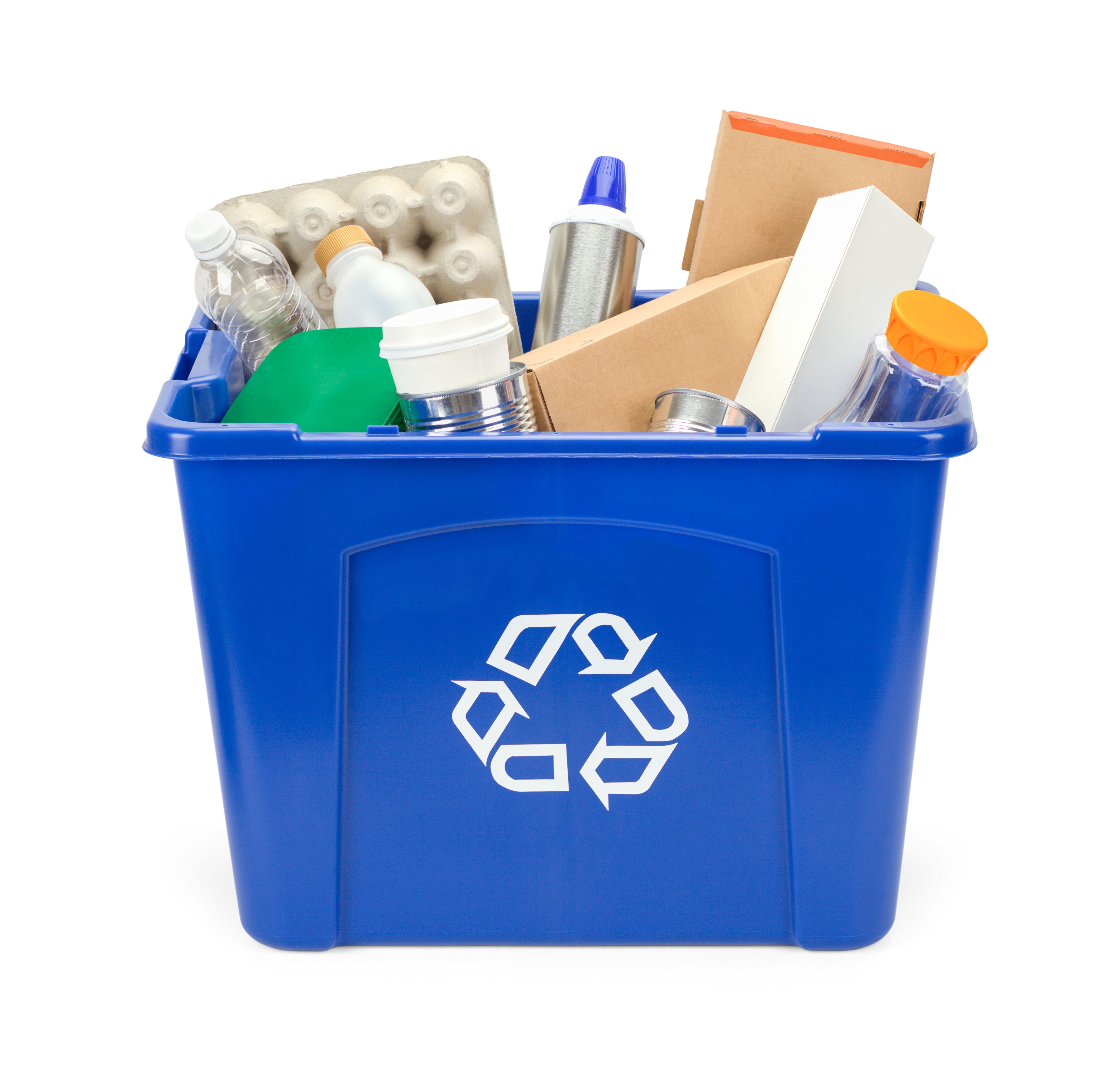
Myth 1: Scrap Metal Recycling Isn't Environmentally Friendly
One common myth is that scrap metal recycling is not environmentally beneficial. In reality, recycling metal saves significant amounts of energy compared to producing new metal from raw ore. For instance, recycling aluminum saves up to 95% of the energy needed to create new aluminum. This process also reduces greenhouse gas emissions, conserving natural resources and protecting ecosystems.
Myth 2: All Metals Are Recycled the Same Way
Another misconception is that all metals undergo the same recycling process. In truth, different metals require distinct methods for efficient recycling. Metals like aluminum, copper, and steel have specific processes due to their unique properties. Understanding these differences ensures more effective recycling.
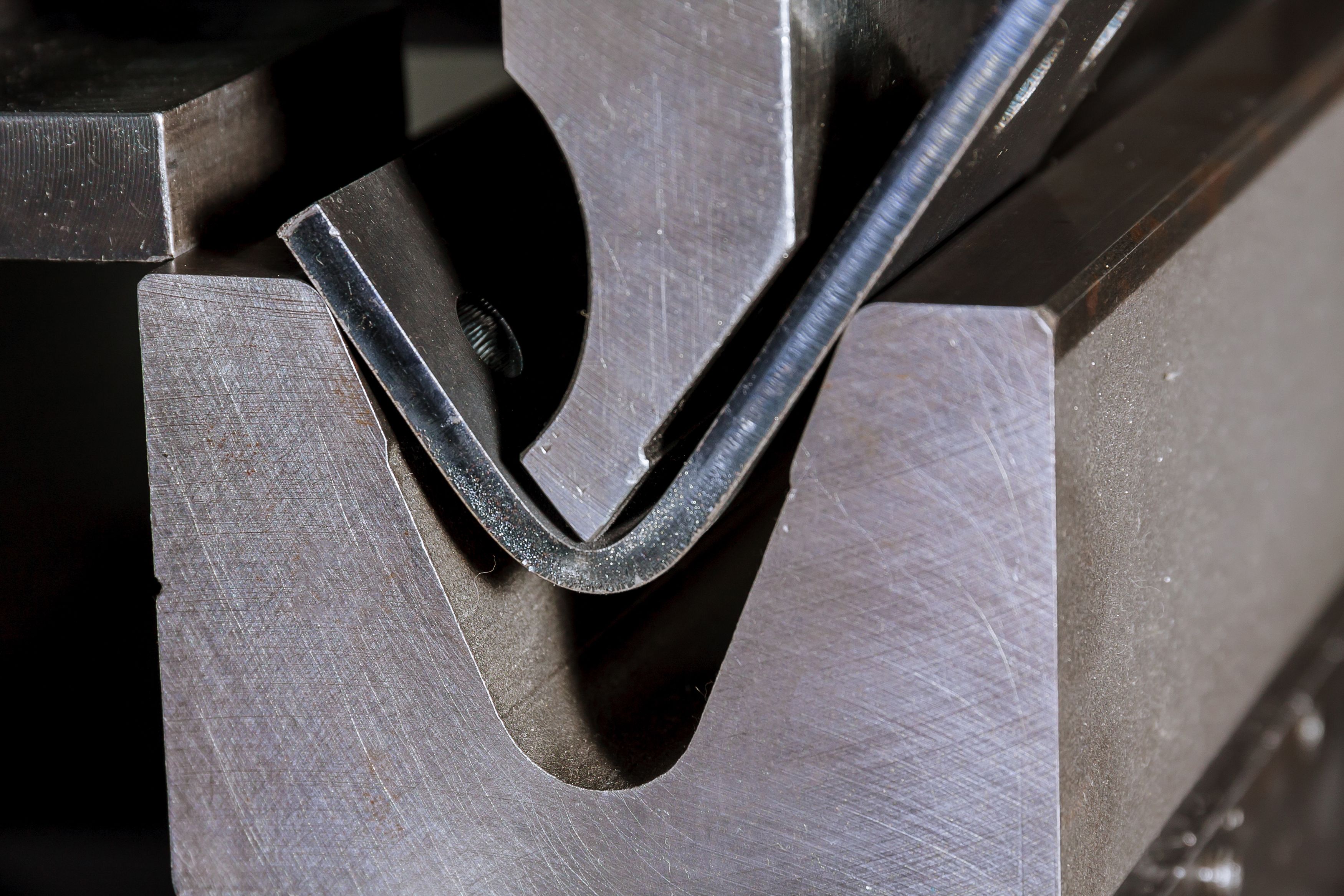
Exploring the Economic Advantages
Beyond environmental benefits, scrap metal recycling contributes significantly to the economy. It creates jobs, supports local businesses, and reduces the need for mining and manufacturing new materials. By dispelling myths about economic inefficiency, we can fully appreciate the value recycling brings to communities.
Myth 3: Scrap Metal Has Little Economic Value
Some believe that scrap metal holds little economic value. On the contrary, the scrap metal industry generates billions of dollars annually. The demand for recycled metal is high across various industries, from construction to technology, underscoring its importance in the supply chain.

Myth 4: Recycling Is Difficult and Inconvenient
Many think that recycling scrap metal is a complex, inconvenient process. However, advancements in technology have streamlined recycling methods, making it more accessible than ever. Many facilities offer easy drop-off options and even pick-up services to encourage participation.
Promoting Awareness and Participation
By debunking these myths, we can foster greater awareness and participation in scrap metal recycling. Educating the public about the advantages of recycling and its straightforward processes can lead to increased recycling rates, benefiting both the environment and the economy.
Myth 5: Only Large-Scale Operations Matter
Some assume that only large-scale recycling operations make a difference. However, small contributions from individuals and local businesses collectively create a significant impact. Every piece of recycled metal counts, reducing the strain on natural resources and promoting sustainability.

In conclusion, dispelling myths about scrap metal recycling helps unlock its full potential. By understanding the truth behind these misconceptions, we can all contribute to a more sustainable future through responsible recycling practices.