DIY Scrap Metal Collection: What You Need to Know


Scrap metal collection is a rewarding hobby that can turn into a profitable side business. Whether you're looking to make some extra cash or simply want to recycle and contribute to a sustainable environment, understanding the basics of DIY scrap metal collection can set you on the right path.
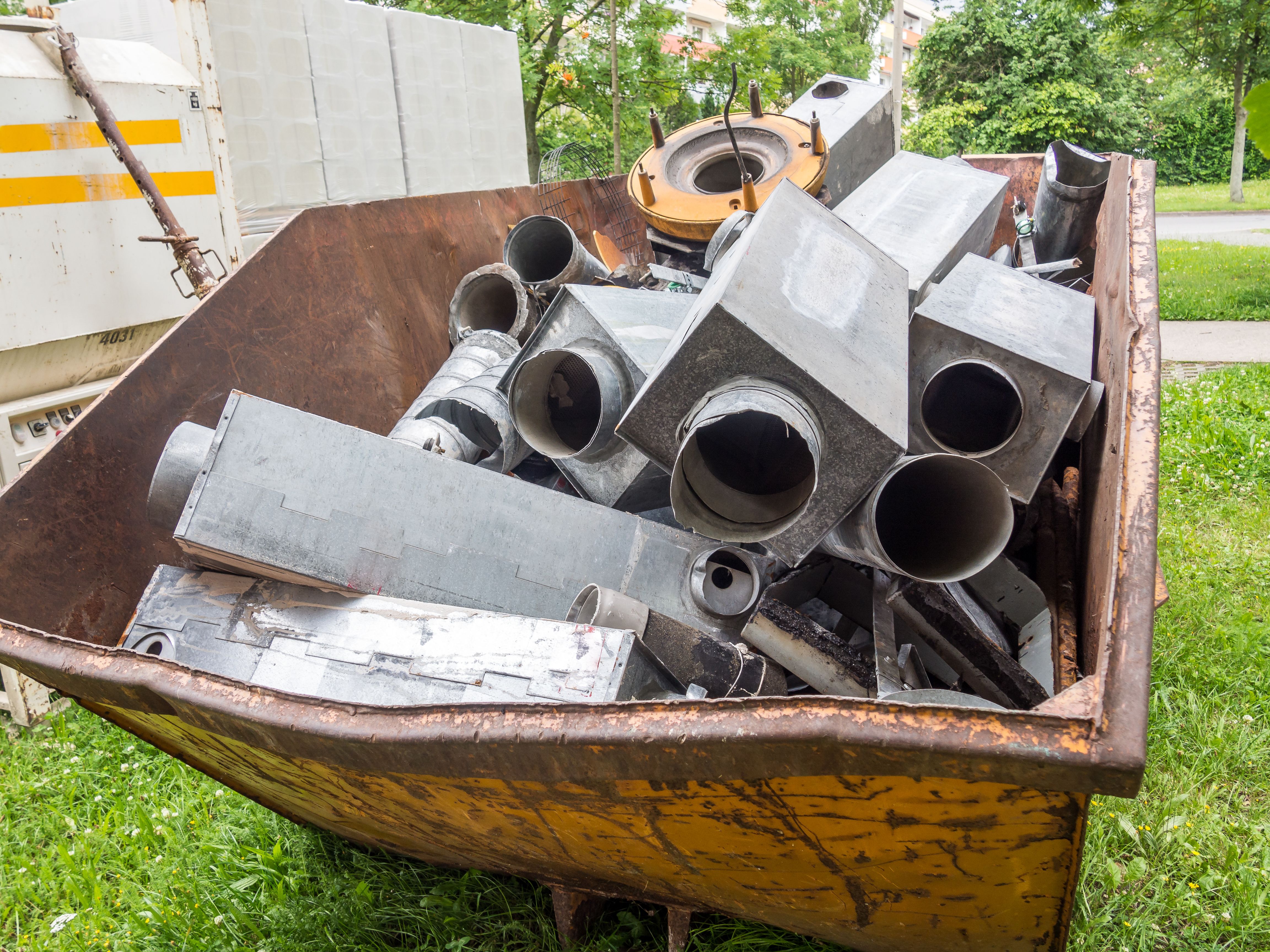
Getting Started with Scrap Metal Collection
Before diving in, it's essential to know what types of metals you'll encounter. The most common categories include ferrous metals, like iron and steel, which are magnetic, and non-ferrous metals, such as copper, aluminum, and brass, which are not magnetic. Knowing the difference can help you sort and sell your metals more effectively.
You'll need some basic tools to get started. A magnet is indispensable for distinguishing between ferrous and non-ferrous metals. A reliable pair of gloves will protect your hands from sharp edges, while a sturdy container or cart will help you transport your finds.
Where to Find Scrap Metal
Finding scrap metal can be as simple as looking around your home or local community. Start by checking your garage, basement, or attic for unused appliances, old bicycles, or discarded electronics. These items often contain valuable metals that can be recycled.
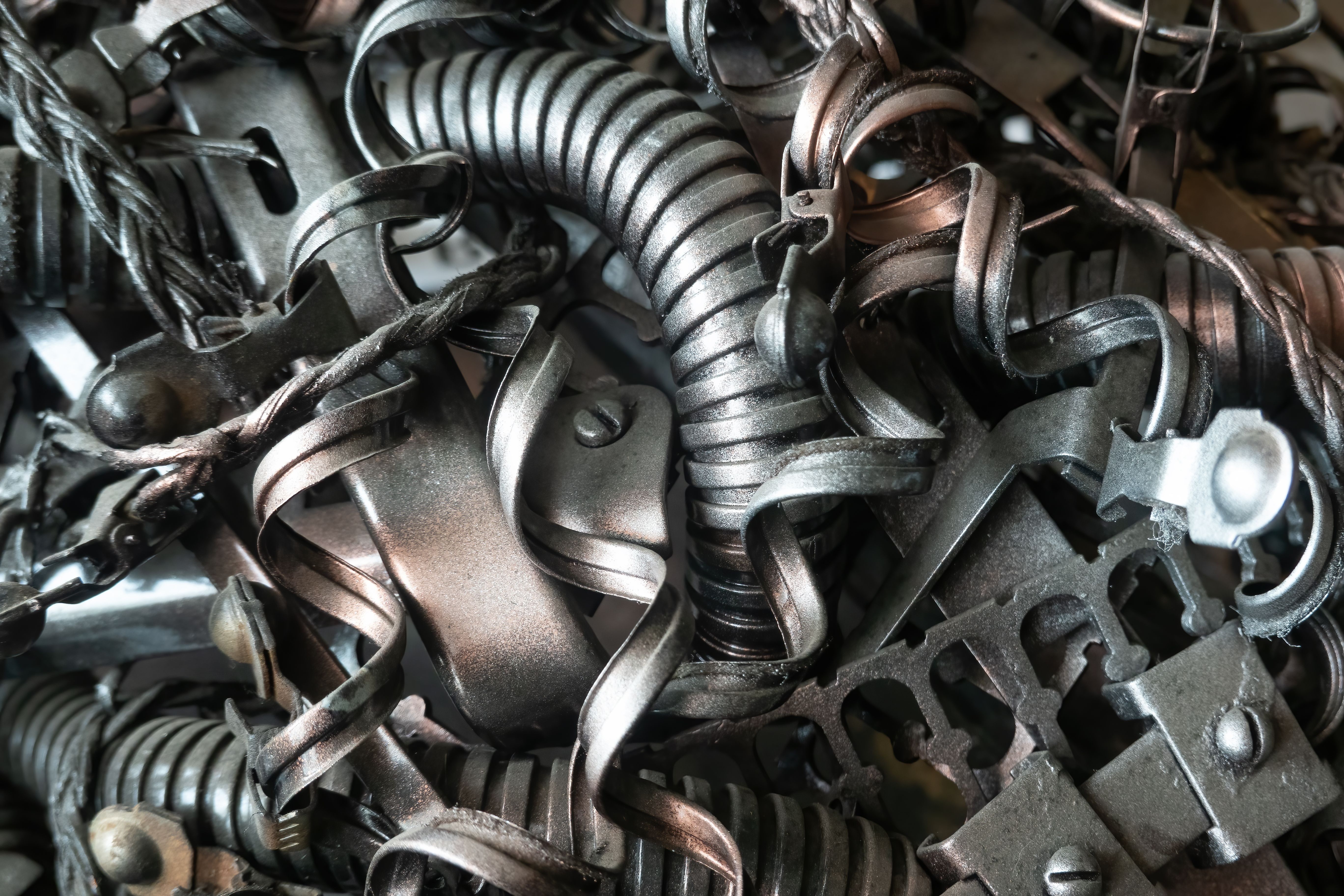
Beyond your home, consider reaching out to local businesses. Construction sites, auto repair shops, and plumbing companies frequently have scrap metal they are willing to give away. Always ask for permission before collecting scrap from private properties.
Sorting and Storing Your Finds
Proper sorting is crucial to maximizing your profits. Separate your metals into categories: ferrous and non-ferrous. Within non-ferrous metals, further sort by type, such as copper, aluminum, and brass. This organization will make selling to scrapyards more efficient.
Storing your scrap metal correctly is equally important. Designate a space in your garage or shed where you can keep your finds. Use labeled bins or containers to avoid mixing different types of metals, which can complicate your selling process.
Selling Your Scrap Metal
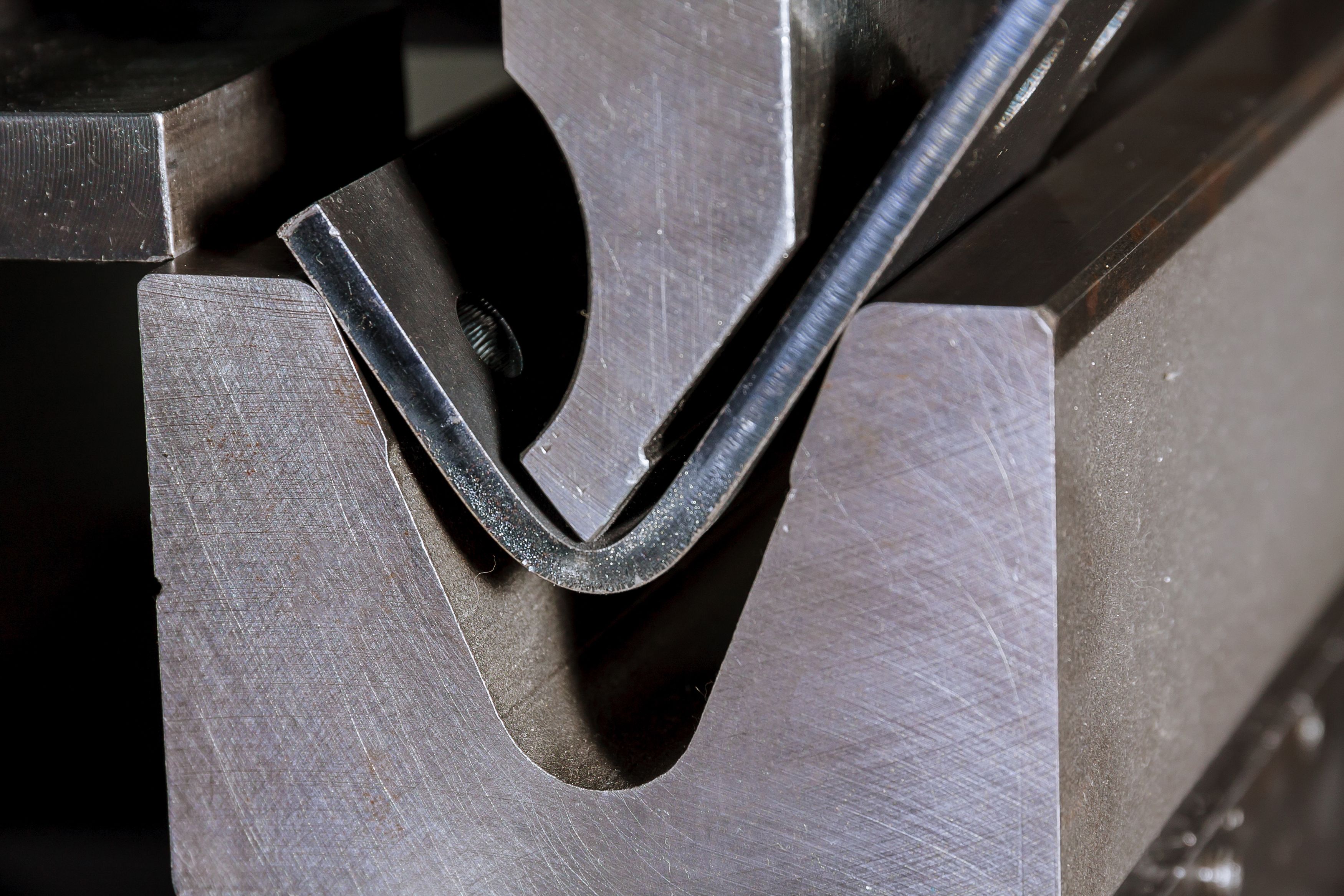
Once you've accumulated a sufficient amount, it's time to sell your scrap metal. Research local scrapyards to compare prices and policies, as they can vary significantly. Some scrapyards may offer better rates for specific types of metals or larger quantities.
When you're ready to sell, ensure your metals are clean and free of non-metal materials like plastic or wood. This cleanliness can often result in a higher payout. Don't forget to bring identification, as many scrapyards require it for transactions.
Legal Considerations
Before starting your collection, familiarize yourself with local laws and regulations. Some areas have restrictions on scrap metal collection, especially regarding items like copper wiring or car parts. Ensuring compliance with local laws will help you avoid fines or legal issues.
Additionally, always obtain permission before collecting scrap from private properties or businesses. Trespassing laws can lead to serious consequences, so it's crucial to respect property boundaries.

Conclusion: The Benefits of Scrap Metal Collection
Engaging in DIY scrap metal collection not only offers financial benefits but also promotes environmental sustainability. By recycling metals, you're reducing landfill waste and contributing to the conservation of natural resources. Whether as a hobby or a side business, scrap metal collection is a fulfilling endeavor that makes a positive impact on the planet.