DIY Scrap Metal Recycling: Tips and Tricks for Beginners


Introduction to DIY Scrap Metal Recycling
Scrap metal recycling is not only a great way to help the environment but also an opportunity to earn some extra cash. If you're new to this, don't worry—getting started with DIY scrap metal recycling is easier than you might think. This guide will provide you with essential tips and tricks to make your recycling efforts successful.
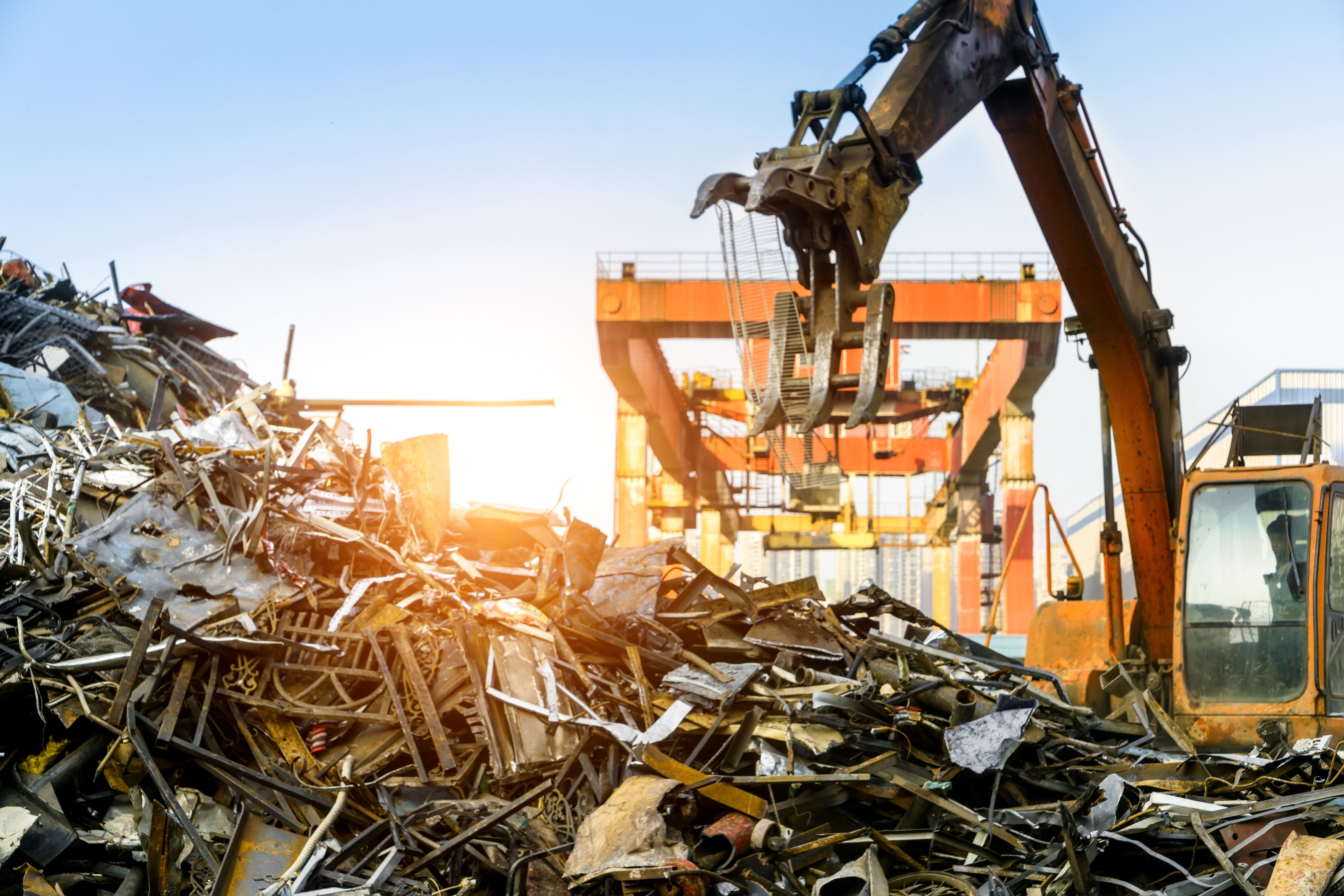
Understanding Types of Scrap Metal
Before diving into scrap metal recycling, it's important to understand the different types of metals you might encounter. Metals are generally categorized into two types: ferrous and non-ferrous. Ferrous metals contain iron and are magnetic, while non-ferrous metals do not contain iron and are non-magnetic. Common non-ferrous metals include copper, aluminum, and brass, which are often more valuable.
Identifying the type of metal is crucial because it affects the recycling process and the price you can receive. An easy way to test if a metal is ferrous is to use a magnet; if it sticks, it's ferrous.
Gathering and Sorting Materials
Once you know how to identify different types of metals, the next step is to gather and sort them. Start by collecting scrap from old appliances, electronics, and vehicles. Make sure to remove any non-metal components like plastic or wood, as these can lower the value of your scrap.
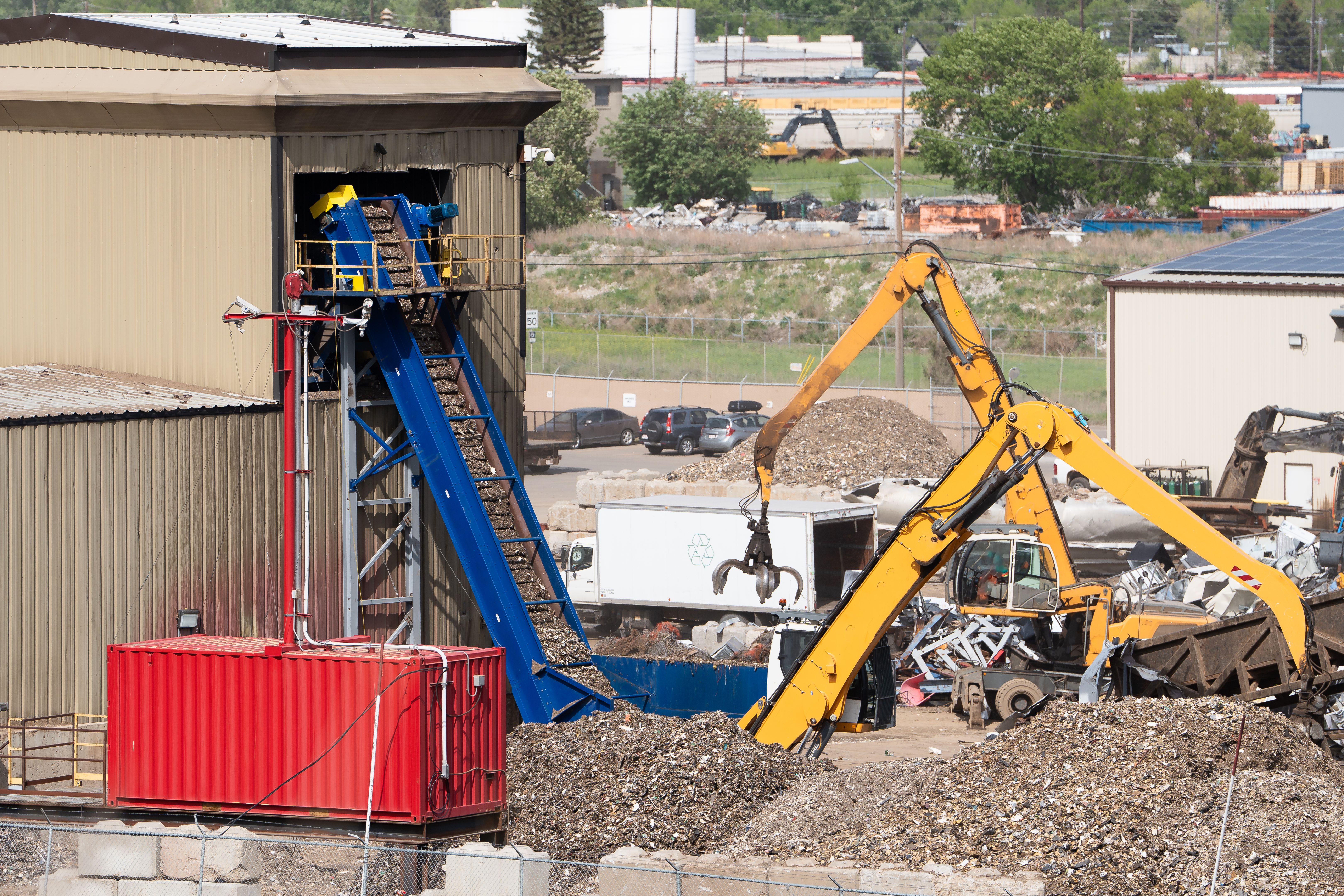
Sorting your metals into categories will make it easier to recycle and sell them. Use separate bins or containers for each type of metal. This organization will save you time when you take your scrap to a recycling center.
Tools and Safety Gear
Having the right tools and safety gear is essential for a safe and efficient scrap metal recycling process. Basic tools include a magnet, a hammer, and a pair of pliers. For safety, invest in a pair of heavy-duty gloves, safety goggles, and steel-toed boots. These will protect you from sharp edges and potential injuries.

Always work in a well-ventilated area and be cautious of hazardous materials like lead or asbestos, which can sometimes be found in older appliances.
Selling Your Scrap Metal
Once you've collected and sorted your scrap metal, it's time to sell it. Research local recycling centers or scrap yards to find the best prices. Prices can vary, so it pays to shop around. Some centers may offer pickup services, which can be convenient if you have large quantities.
Remember to bring identification, as most scrap yards require it for transactions. Keep a record of what you're selling and the prices offered to ensure you're getting a fair deal.
Environmental and Economic Benefits
Scrap metal recycling offers significant environmental benefits by reducing the need for mining raw materials and lowering carbon emissions. Economically, it can provide a steady source of income, especially if you consistently collect and recycle metal.
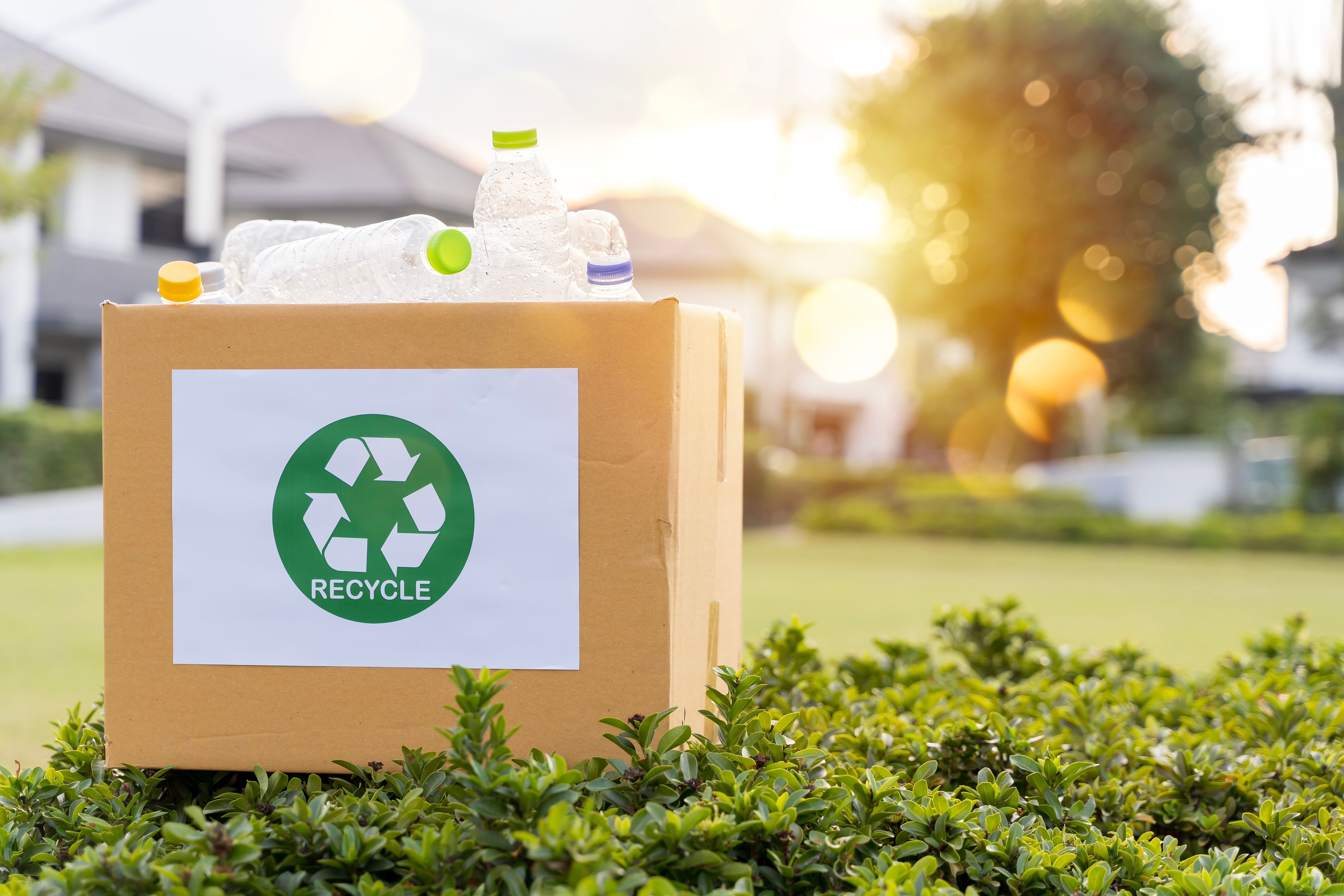
By engaging in DIY scrap metal recycling, you're contributing to a sustainable future while also benefiting personally. It's a win-win situation that encourages more people to join the recycling movement.
Conclusion
Embarking on a DIY scrap metal recycling journey can be rewarding and profitable. By understanding metal types, gathering and sorting materials, using the right tools, and selling your scrap wisely, you can make a positive impact on the environment and your wallet. So, grab your tools and start recycling today!