Seasonal Scrap Metal Recycling: What You Need to Know This Winter


Understanding Seasonal Scrap Metal Recycling
As winter approaches, many people focus on staying warm and cozy indoors. However, this season also provides a unique opportunity to engage in scrap metal recycling. Whether you're a seasoned recycler or just getting started, understanding the nuances of recycling during the colder months can be beneficial. Not only can it be a profitable endeavor, but it also contributes to environmental sustainability.
Winter is a time when many construction projects slow down, leading to an increase in available scrap metal. Homeowners and businesses alike can take advantage of this surplus by collecting and recycling metals. From old appliances to leftover construction materials, there are numerous sources of scrap metal to explore.

Why Recycle Scrap Metal in Winter?
Recycling scrap metal in winter has several advantages. First, it helps clear out unwanted items before the new year, making room for new projects and reducing clutter. Additionally, scrap metal prices often fluctuate, and winter can sometimes offer favorable rates. By recycling now, you might maximize your returns.
Furthermore, recycling contributes to energy conservation. Producing metal from recycled materials uses significantly less energy than processing raw materials. This efficiency is crucial during the winter months when energy demand is high.
Types of Scrap Metal to Recycle
Winter provides an excellent opportunity to recycle various types of scrap metal. Here are some common materials you can gather:
- Aluminum: Often found in cans, window frames, and old siding.
- Copper: Commonly sourced from old plumbing pipes and electrical wires.
- Steel: Available in appliances, old vehicles, and construction debris.
- Brass: Found in fixtures and hardware.
Preparing Scrap Metal for Recycling
Proper preparation is key to successful recycling. Begin by sorting metals into categories, as this can make the recycling process more efficient. Remove any non-metal components, such as plastic or rubber, to ensure you get the best value for your scrap.
It's also important to clean the metal as much as possible. Removing dirt, grease, and other contaminants can improve its quality and increase its value. Use wire brushes or metal cleaners to achieve the best results.
Finding a Reliable Recycler
Choosing the right recycling facility is crucial. Look for a recycler with a good reputation and fair pricing. Many facilities offer pickup services, which can be particularly convenient during winter when transportation might be challenging.
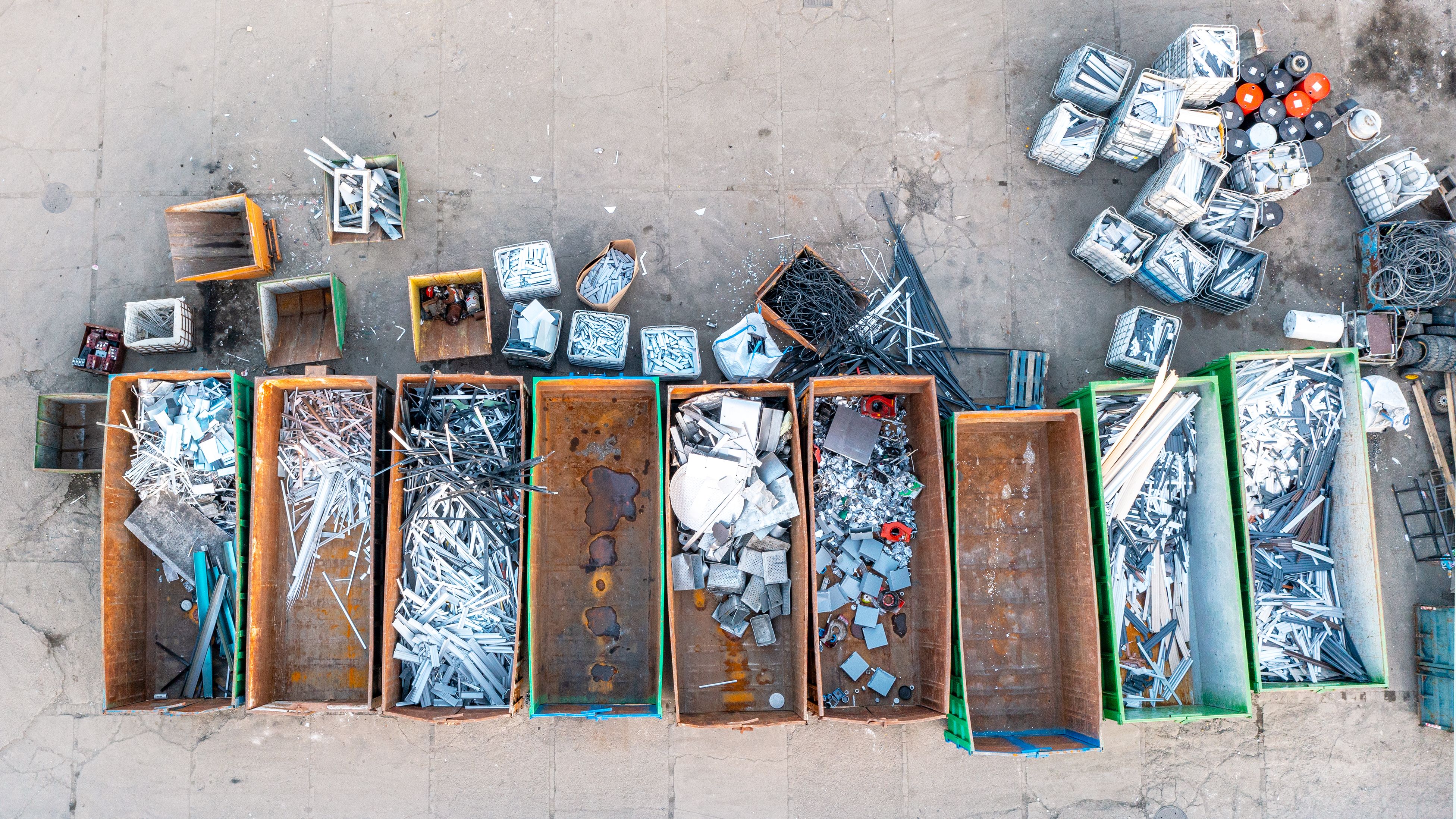
Research local recycling centers to understand their specific requirements and accepted materials. Some centers might offer special promotions or higher prices during the winter months, so it's worth shopping around.
Environmental Impact of Winter Recycling
Recycling scrap metal during the winter months has a positive impact on the environment. By reducing the need for new metal production, you help conserve natural resources and decrease greenhouse gas emissions. This contribution is especially valuable when energy conservation is critical.
Engaging in seasonal recycling also sets a positive example for your community, encouraging others to adopt sustainable practices. The collective effort can lead to significant environmental benefits, making a difference for future generations.
In conclusion, winter is an excellent time to focus on scrap metal recycling. By understanding the types of metals available, preparing them properly, and choosing the right recycler, you can make the most of this opportunity. Not only will you benefit financially, but you'll also contribute to a healthier planet.